Cat House Laser Cut Plan
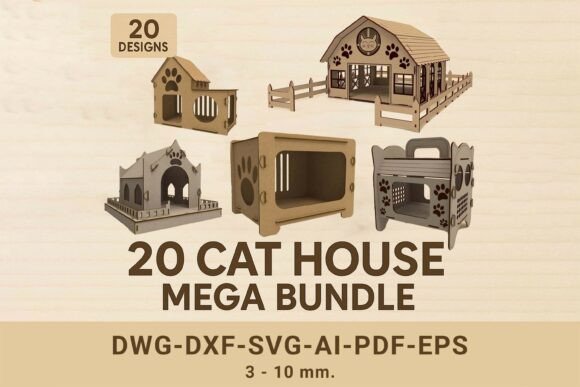
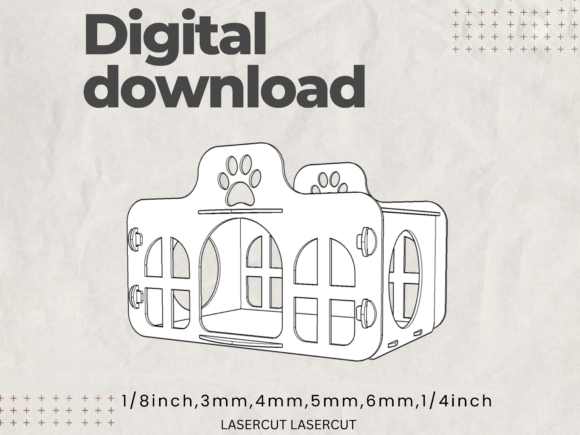
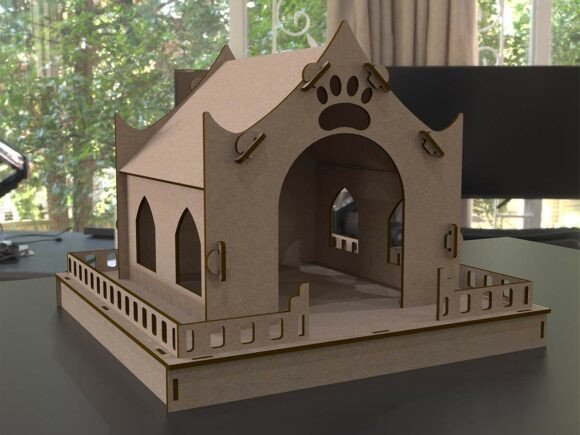
The Cat House Laser Cut Plan offers a unique blend of traditional design and modern craft utility. As a designer who frequently works with custom embroidery projects, I was immediately drawn to the elegance of its Thai-inspired architecture. The ornate pointed gable roof, curved edges, and temple-style arched windows create a visually striking shape that feels both intricate and functional.
First Impressions: A Design That Speaks Volumes
From the moment I opened the digital file, I noticed how the design balances complexity with clarity. The layout is well-organized, making it easy to identify key elements like the roof structure, window frames, and decorative details. The level of detail suggests it was created with both aesthetic appeal and practical use in mind.
This design has a soft, whimsical mood that would fit well in a variety of handmade products. It’s not overly busy, which means it can be adapted to different fabrics and project types without overwhelming the final look. The visual personality leans toward traditional craftsmanship, making it ideal for vintage or artisanal themes.
Real-Life Use: Where Does This Fit Best?
As an embroidery designer, I often consider how a machine embroidery design will translate onto fabric. The Cat House Laser Cut Plan seems best suited for larger, flat surfaces like tote bags, sweatshirts, or pillow covers. Its size and structure make it less ideal for small items like caps or baby clothes, where the design might appear cramped or distorted.
For custom apparel, this design could work as a standout feature on a hoodie or jacket. When used as an applique design, the laser-cut edges would add a clean, precise finish that complements the stitching. However, if you're planning to use it on a stretchy or thin fabric, extra care is needed to ensure the design holds up during wear and washing.
Stitching Performance: Practical Considerations
When working with a design like this, stitch density is a major factor. The Cat House Laser Cut Plan likely requires a mix of satin stitch and fill stitch to bring out the details. If the design is too dense, it may cause puckering or strain on the fabric, especially on delicate materials.
Testing the design on scrap fabric before committing to a client project is essential. I recommend checking thread color contrast, particularly if you’re using dark fabrics. The design’s intricate lines might not show up clearly against certain backgrounds, so a black-and-white mockup can help you visualize the outcome.
Where to Be Cautious: Limitations and Challenges
There are a few areas where the Cat House Laser Cut Plan might require more attention. For instance, if you’re working with a small hoop size, parts of the design may need to be split into sections, which can affect the overall flow and symmetry. Similarly, curved surfaces like caps or hats could challenge the design’s integrity if not properly stabilized.
Small details, such as the arched windows or decorative corners, might be difficult to capture accurately on very thin or textured fabrics. If you’re planning to use this design on a layered garment or something with multiple fabric layers, you’ll need to adjust your stabilizer and stitching techniques accordingly.
Impact on Visual Appeal and Customer Perception
When used effectively, the Cat House Laser Cut Plan can elevate the visual appeal of any handmade product. Its refined style adds a touch of sophistication that resonates with customers looking for unique, personalized gifts. Whether it's a holiday ornament, a custom apron, or a boutique item for an Etsy shop, this design can enhance the perceived value of your finished product.
Customers tend to respond positively to designs that feel thoughtful and well-crafted. The Cat House Laser Cut Plan, with its cultural inspiration and detailed execution, can help build trust and recognition for your brand. It also supports consistency in your product line, especially if you’re targeting a niche market that values artistry and tradition.
Designer Notes: Practical Tips for Success
Before using the Cat House Laser Cut Plan in a real project, here are a few key steps I recommend:
- Test the design on scrap fabric to see how it looks with your chosen thread colors.
- Review the stitch density and adjust as needed for your specific fabric type.
- Confirm the hoop size required to accommodate the entire design without cutting it into sections.
- Inspect small details like corners and lettering to ensure they remain sharp after stitching.
- Use a proper stabilizer, especially for delicate or stretchy fabrics.
- Check whether the design works for both personal and commercial use based on licensing terms.
As a digital product seller, I always advise clients to verify file compatibility and machine settings before starting a project. While the Cat House Laser Cut Plan appears versatile, it’s important to tailor the design to your specific needs and equipment.
Final Thoughts: A Versatile Addition to Your Design Toolkit
The Cat House Laser Cut Plan is a strong choice for designers looking to add a unique, culturally inspired element to their embroidery projects. Whether you're creating custom apparel, personalized gifts, or small shop merchandise, this design has the potential to stand out in a competitive market.
With careful consideration of fabric type, stitch technique, and project scope, the Cat House Laser Cut Plan can become a valuable asset in your creative workflow. It’s a design that rewards attention to detail and offers flexibility across a range of applications—from handmade products to commercial embroidery projects.