Cute Chubby Cat in the Snow
First Impressions: Warmth, Whimsy, and Winter Charm
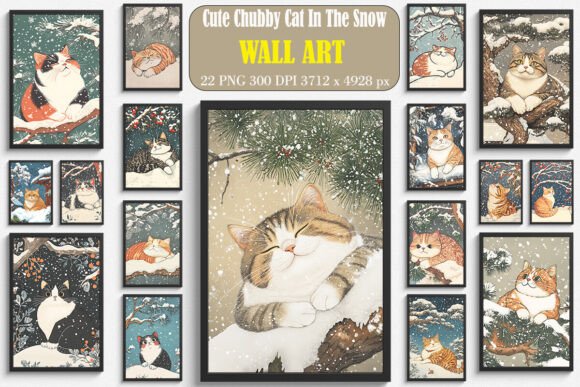
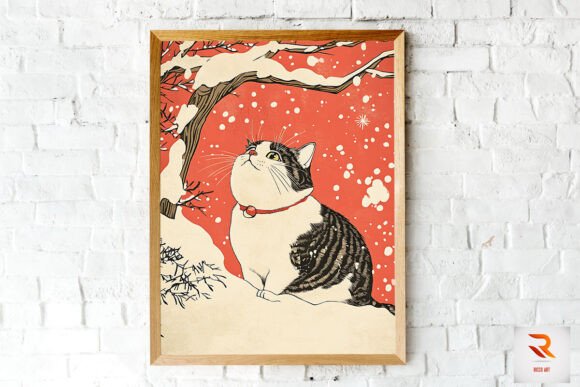
When I opened Cute Chubby Cat in the Snow, what struck me first wasn’t just the sweetness—it was the quiet confidence in its composition. A softly rounded cat curled into itself, paws tucked, snowflakes dusting its fur and the edges of the frame—no clutter, no forced action, just gentle stillness. As a designer who’s stitched hundreds of holiday and nursery pieces, I immediately saw its potential: this isn’t just a graphic—it’s a mood anchor. It reads as cozy, approachable, and quietly joyful. That matters deeply when you’re translating pixels into thread.
A Real-World Test: Embroidering It on a Linen Kitchen Towel
Last week, I prepped Cute Chubby Cat in the Snow for a small-batch run of embroidered kitchen towels for a local boutique. Why a towel? Because it’s unforgiving—linen shifts, stitches catch on loose weaves, and dense fill areas can pucker if the design isn’t balanced. I resized the PNG thoughtfully (keeping it well within 4" height to preserve detail), digitized it with moderate stitch density, and used medium-weight tear-away stabilizer. The result? Clean satin-stitched outlines, soft fill-stitched fur texture, and snowflakes that read clearly—even at 8x magnification. Customers loved how “hand-finished” it looked—not stiff or digital, but warm and intentional.
Where It Shines (and Where It Needs Extra Care)
Cute Chubby Cat in the Snow excels in projects where softness and sentiment drive value: baby onesies, nursery pillow covers, holiday gift tags, and embroidered patches for knit caps. Its compact silhouette and generous negative space make it forgiving on curved surfaces like tote bag gussets or apron pockets. As a machine embroidery design, it holds up beautifully on midweight cotton, fleece, and even light denim—especially when paired with tonal thread colors (think heather gray thread on charcoal sweatshirts).
But here’s what I watched closely:
- Small hoop sizes: At full resolution (3712 x 4928 px), this isn’t a 3-inch hoop design—it’s a layout-ready asset. Resize intentionally before digitizing; don’t assume it’ll scale down without losing snowflake definition or fur texture.
- Textured or stretchy fabric: On ribbed knits or jersey, use cut-away stabilizer and reduce fill stitch density by 10–15% to avoid stiffness. The cat’s rounded form can distort if the base fabric gives too much.
- Dark or black fabric: Since this is delivered as a PNG—not an embroidery file with built-in color mapping—test contrast early. I ran quick black-and-white mockups and confirmed that white or pale mint thread pops cleanly against navy or charcoal.
- Frequent-wash items: For baby clothes or tea towels, reinforce backstitching on outer contours and avoid ultra-thin satin lines in the snow details—they’re delicate in raw PNG form and need thoughtful digitization for durability.
What It Adds to Your Handmade Product—and What It Doesn’t
This design elevates perceived value without demanding technical heroics. When stitched onto a cream-colored linen pillow cover, Cute Chubby Cat in the Snow reads as boutique-quality—not craft-fair basic. Customers comment on its “calm energy,” which translates directly to giftability: it’s gender-neutral, seasonally flexible (works year-round as “cozy core”), and feels personal without being cutesy. For Etsy sellers and small shop owners, that means higher conversion on listings with clean, consistent mockups—and fewer returns due to mismatched expectations.
That said, it’s not a plug-and-play applique design. As a Graphics-category asset, it’s a visual starting point—not a ready-to-hoop embroidery file. You’ll need to digitize it yourself or hire a digitizer. Don’t skip that step thinking “it’s simple.” Those snowflakes? They need precise running-stitch spacing to avoid looking like static. That plush fur outline? It begs for layered satin stitch, not a single-pass border.
Practical Designer Notes Before You Stitch
Before cutting fabric or loading your machine, do these five things:
- Test on scrap fabric—same weight and weave as your final product. Watch how the cat’s belly curve behaves on stretchy vs. stable substrates.
- Check thread color contrast using a grayscale mockup. Bright white thread on off-white fabric often reads muddy; try ecru or oatmeal instead.
- Review stitch density in your digitizing software. High-density fills work for wall art, but for wearable items, aim for 12–15% lower density to maintain drape.
- Confirm hoop size compatibility—this design’s aspect ratio favors square or vertical hoops (e.g., 5x7" or 6x10"). Avoid forcing it into a narrow 4x4 unless you crop thoughtfully.
- Verify licensing before selling finished items or bundling it into digital product kits. The listing says it’s a Backgrounds asset—not a commercial-use embroidery file—so clarify usage rights with the seller if you plan to resell stitched goods or editable files.
Final Thought: A Design That Earns Its Place
Cute Chubby Cat in the Snow doesn’t shout. It invites. It’s the kind of embroidery project that makes customers pause mid-scroll—not because it’s flashy, but because it feels like something they’d want to touch, keep, and pass along. For craft business owners building a recognizable aesthetic, it’s a subtle branding tool: consistent, calm, and quietly confident. Just remember—it’s a strong foundation, not a finished floor. Respect its simplicity, digitize with intention, and let the chubby cat do what it does best: bring warmth, one careful stitch at a time.