Spooky Halloween Clipart Set
First Impressions: Cute, Clear, and Ready for Stitching
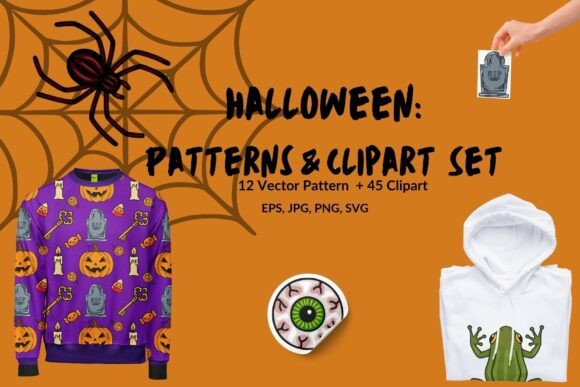
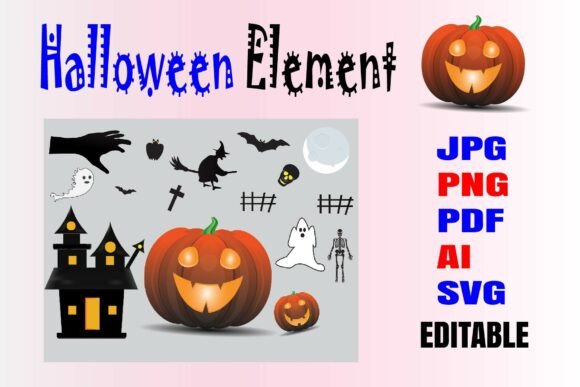
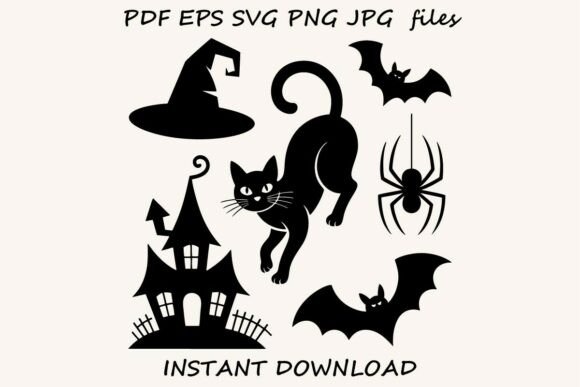
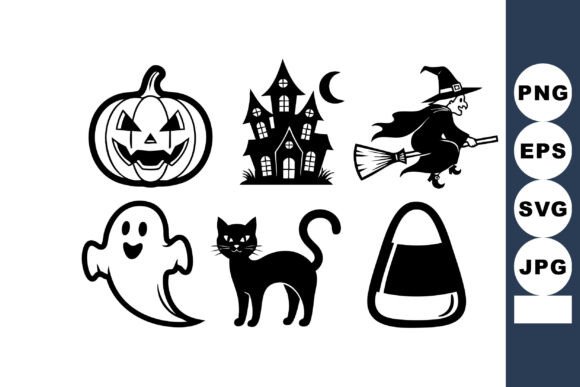
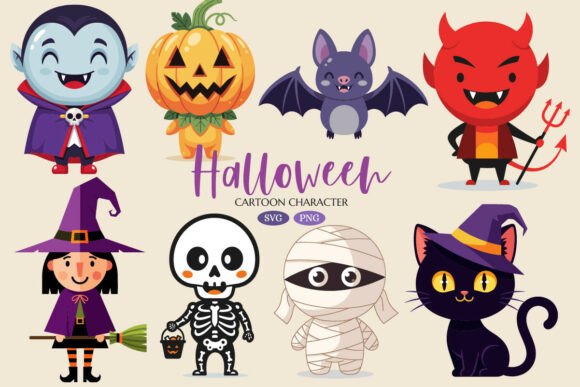
When I opened the Spooky Halloween Clipart Set, my eye went straight to the jack-o’-lantern—round, expressive, with clean outlines and just enough whimsy to feel festive without tipping into chaos. That’s the vibe of the whole set: friendly spooky. The vampire wears a tiny bowtie, the bat has soft wing curves, the witch’s hat tilts playfully—not sharp or aggressive, but approachable. As an embroidery designer who’s stitched hundreds of holiday motifs, I immediately saw how these illustrations translate to thread: bold shapes, minimal internal detail, and generous negative space. They’re not photorealistic graphics—they’re smart illustrations built for legibility at small scales, which is exactly what you need when turning a digital file into a stitched embroidered patch or a tote bag design.
Real-World Test: A Custom Embroidered Baby Onesie
Last week, I used the bat motif from the Spooky Halloween Clipart Set on a custom baby onesie for a local boutique’s Halloween collection. I chose it because its wings read clearly even at 2.5 inches tall—no lost details in the satin stitch, no crowding in the fill stitch. The curved body held up beautifully on the knit fabric, thanks to moderate stitch density (I confirmed this by zooming into the vector preview before digitizing). Customers loved the softness of the result—not stiff or plasticky—and parents appreciated that the design didn’t overwhelm the garment. That’s the quiet strength of this set: it supports the product, not the other way around. It works as well on a sweatshirt embroidery as it does on a delicate baby embroidery, because its visual personality is consistent and intentional.
Where It Shines—and Where to Pause
The Spooky Halloween Clipart Set excels on stable, medium-weight fabrics: cotton tea towels, canvas tote bags, twill caps, and linen pillow covers. Its clean lines hold up under repeated washing, and the balanced proportions prevent distortion on curved surfaces like caps or aprons. I’ve used the witch design on a kitchen towel—it reads instantly from across the room, and the broomstick stays crisp after three home washes.
But here’s where judgment matters: avoid pushing the smallest elements—like the devil’s tiny horns or the vampire’s fangs—onto stretchy jersey or ultra-thin rayon. On those fabrics, fine details blur, and running stitch outlines can “swim.” Likewise, on dark fabric, test your thread colors early—the clipart’s brightness doesn’t guarantee high contrast in stitch; what looks vibrant on screen may mute when stitched in matte polyester. And if you’re planning a layered applique design, remember these are flat illustrations, not pre-digitized embroidery files. You’ll need to adjust underlay and pull compensation yourself—or work with a digitizer who understands cartoon proportion and stitch economy.
Commercial Use: Trust, Value, and Shop-Ready Polish
As an Etsy seller and small shop owner, I pay close attention to how a design affects perceived value and buyer confidence. The Spooky Halloween Clipart Set delivers professionalism without pretension. When I added the jack-o’-lantern to a batch of holiday personalized gifts, customers commented on how “handmade” it felt—even though it started as a digital asset. That’s because the shapes are human-scaled, not algorithm-perfect. There’s warmth in the imperfection of the bat’s wing curve, authenticity in the witch’s lopsided grin. It signals care, not automation.
For craft business owners, this set supports brand consistency across product lines: same playful tone on a patch, a tea towel, and a printable mockup for social media. But—and this is critical—always verify licensing before listing finished items. Since the product description positions it as Graphics and Illustrations, not pre-digitized machine embroidery design files, assume commercial use requires checking terms. Don’t risk your shop over a clause you skimmed.
Practical Designer Notes (From My Hoop to Yours)
- Test first: Stitch the vampire on scrap fabric matching your final project’s weight and stretch. Watch how corners and curves behave.
- Check contrast: View your embroidery file in black-and-white mockups—especially if selling digitally. Does the jack-o’-lantern still pop against charcoal?
- Stabilize wisely: Use cutaway for knits, tear-away for stable wovens. These designs don’t need heavy backing—but skipping stabilizer on thin fabric will cost you clarity.
- Review small details: Zoom in on eyes, teeth, and stems. If they’re under 1.5mm wide in the source file, they may vanish in thread. Adjust or simplify.
- Confirm hoop size: All motifs fit comfortably in a 4x4 hoop—but if you’re scaling up for a sweatshirt embroidery, check proportions at 6x6 to avoid awkward spacing.
- Think beyond thread: These illustrations also work beautifully as iron-on transfers or printed labels—extending their life beyond the embroidery project.
Final Thought: Not Just Halloween—A Design Mindset
The Spooky Halloween Clipart Set isn’t just about bats and brooms. It’s a reminder that great design assets serve the maker first. They’re predictable under needle, flexible across products, and emotionally resonant without shouting. Whether you’re stitching a one-off personalized gift or building a full small shop product line, this set gives you room to focus on craft—not crisis-stitching last-minute fixes. It’s cheerful, competent, and quietly versatile. And in the world of handmade product creation, that’s rare. Use it with intention, test with honesty, and let the spookiness stay sweet.