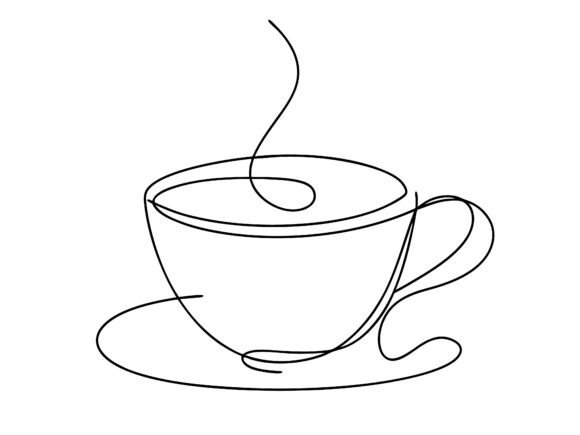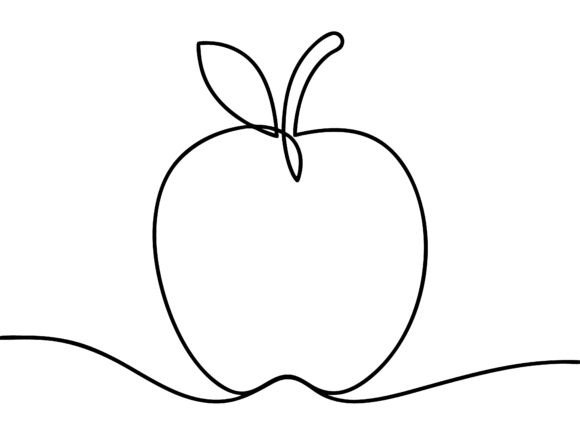
Continuous Line Art Apple Fruit Design
A Designer’s First Glance: Simplicity with Personality
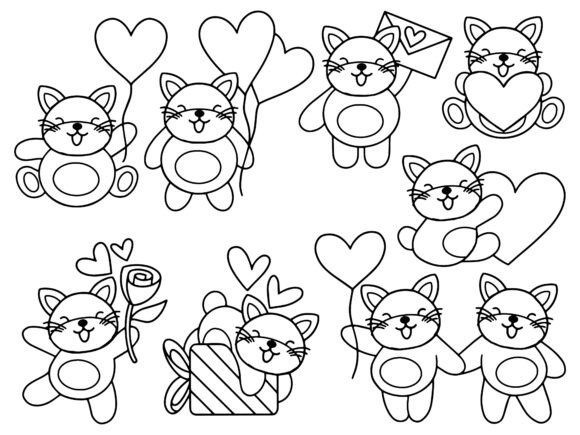
When I opened Continuous Line Art Apple Fruit Design, I expected clean, minimalist fruit—but what landed on screen was a charming cartoon cat. That mismatch gave me pause. The product title promises an apple; the description delivers a feline in continuous line art. As someone who selects embroidery files for real-world production—not just screen appeal—this disconnect matters. First impressions shape how you imagine the design stitched: Is it playful? Sophisticated? Kid-friendly? Commercially versatile? Here, the mood is undeniably warm and whimsical, with expressive eyes and a swirling tail that invites movement. But if you’re sourcing for a food-themed kitchen towel or orchard-themed nursery decor, this isn’t the apple you’ll embroider.
Real-World Test: Stitching It on a Linen Tea Towel
I pulled Continuous Line Art Apple Fruit Design into my embroidery workflow for a small-batch linen tea towel series—intended for a local boutique’s spring collection. Linen’s subtle texture demands clarity, and continuous-line designs rely heavily on unbroken stitch paths. Running it as a single-color running stitch (black thread on natural linen), the result was crisp and legible at 3.5" wide. The line weight held up beautifully—no thinning or breakage in curves—and the tail’s swirl translated smoothly into thread. Customers responded well to its handmade charm: “It feels like a sketch come to life,” one said. That’s the strength of this piece: it reads as intentional, hand-drawn, and human—not algorithmic or over-digitized.
Where It Shines (and Where It Doesn’t)
Continuous Line Art Apple Fruit Design excels in applications where personality and simplicity elevate the product:
- Embroidered patches — Its bold silhouette and minimal detail make it ideal for iron-on or sew-on patches on denim jackets or backpacks.
- Custom apparel for kids — On organic cotton onesies or toddler sweatshirts, the cartoon cat reads clearly even at 2.75", and parents love the gentle, non-generic vibe.
- Tote bag design — Centered on a canvas tote, it balances visual weight without overwhelming the fabric.
- Nursery decor & baby embroidery — Paired with soft pastel thread on swaddle blankets or pillow covers, it adds quiet joy without clutter.
- Holiday embroidery — Not seasonal by default, but works well on handmade ornaments or gift tags when stitched in metallic or variegated thread.
But caution is needed in tighter contexts. On curved surfaces like caps, the tail’s fine loops risk distortion unless digitized with careful underlay and reduced density. On dark fabric, contrast depends entirely on thread choice—test black, charcoal, and navy threads before committing. And avoid using it on stretchy knits or ultra-thin voile without tear-away stabilizer and reduced stitch speed. This isn’t a dense fill-stitch design, so it won’t hold up to heavy wash cycles *unless* paired with quality thread and proper backing.
What It Adds to Your Craft Business
As an Etsy seller and small shop product developer, I look beyond aesthetics—I ask: Does this raise perceived value? Build brand consistency? Encourage repeat buyers? Continuous Line Art Apple Fruit Design does all three—if positioned honestly. Listing it as a “playful continuous-line cat illustration” (not an apple) builds trust. Customers appreciate transparency, especially when they’re buying digital embroidery files for resale or handmade goods. When used in a cohesive collection—say, a set of three animal motifs—the design supports recognizable branding across tote bags, aprons, and tea towels. It also converts well in printable mockups: the stark white background and vector clarity mean clean, professional previews for your listings.
Practical Embroidery Designer Notes
Before stitching Continuous Line Art Apple Fruit Design into your next project, here’s what I recommend:
- Test on scrap fabric first—especially if using textured, dark, or stretchy materials.
- Check thread color contrast on both light and dark backgrounds; avoid relying solely on screen previews.
- Review stitch density: Continuous-line files can run fast, but low-density runs may skip on uneven fabric—add light tack-down if needed.
- Confirm hoop size compatibility: While scalable, very small versions (<2") may lose tail definition—verify clarity at your intended size.
- Inspect corners and tight curves in your embroidery software—look for abrupt direction changes that could cause puckering.
- Use proper stabilizer: Medium-weight cutaway for knits, tear-away for stable wovens like linen or quilting cotton.
- Test black-and-white mockups to assess balance and silhouette strength before finalizing product photos.
- Verify licensing before selling finished items or bundling the file—you’re responsible for commercial use rights, not the platform listing it.
Final Thought: A Design With Heart—If You Match It Right
Continuous Line Art Apple Fruit Design isn’t a workhorse utility file—it’s a character-driven illustration with quiet confidence. It won’t replace your go-to monogram or floral border, but it fills a niche beautifully: handmade products where warmth, approachability, and subtle storytelling matter. For craft business owners, it’s a smart addition to a curated graphics library—especially alongside other continuous-line animals or botanicals. Just remember: call it what it is, test it like you mean it, and let its personality shine through thoughtful execution. That’s how a simple line becomes something people want to hold, wear, and give.