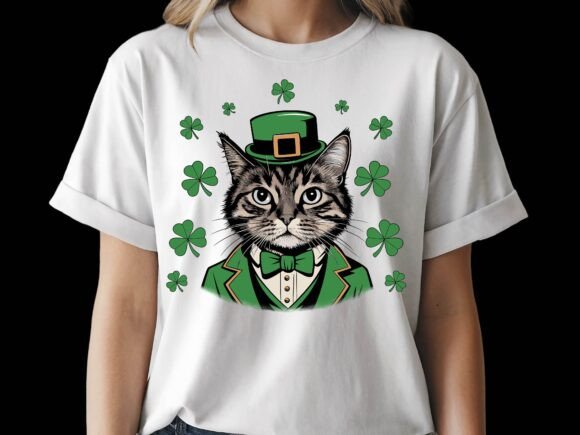
St. Patrick’s Day Cat Leprechaun Irish
A Designer’s First Glance: Playful, Punchy, and Purpose-Built
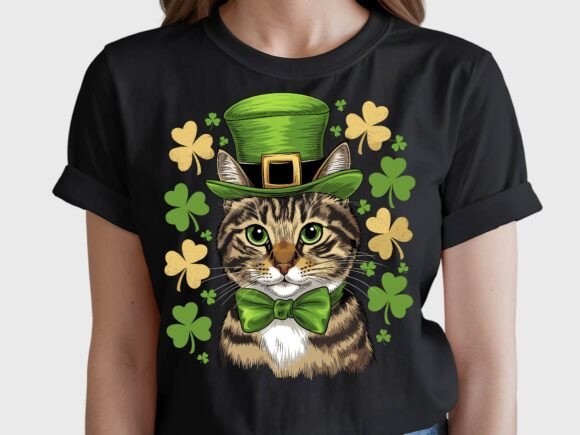
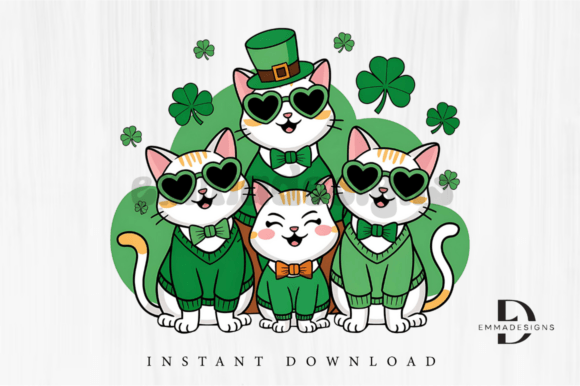
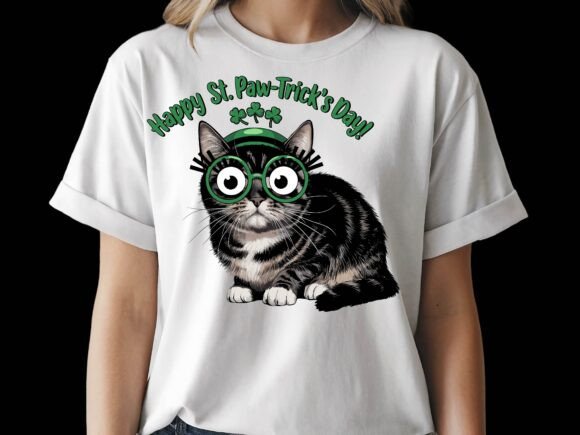
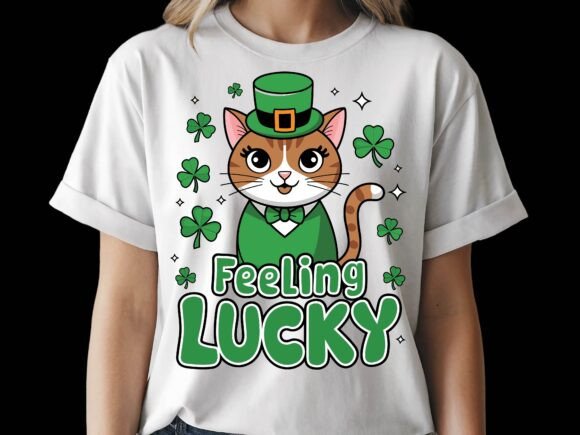
When I opened St. Patrick’s Day Cat Leprechaun Irish for the first time, I didn’t see just another holiday graphic—I saw a design with clear intent. It’s got that cheeky, slightly mischievous charm you want in a cat-themed leprechaun: green hat tilted just so, tiny shamrock accents, expressive eyes, and clean outlines that suggest confidence in execution. As a designer who regularly tests embroidery files for client work and small-batch production, I immediately asked: “Where would this land best—not on screen, but on fabric?” My answer? A medium-weight cotton tote bag for a local café’s St. Paddy’s pop-up, or a soft unisex sweatshirt for a boutique’s seasonal drop. The layout feels balanced for center-chest placement, with no extreme vertical stretch or fragile protrusions that’d snag during hooping or wear.
How It Performs on Real Embroidery Projects
St. Patrick’s Day Cat Leprechaun Irish holds up well across several common applications—but not all equally. On a midweight hoodie or crewneck sweatshirt, it stitches cleanly with moderate fill stitch density and readable satin-stitched edges around the cat’s face and hat brim. I tested it as a 3.8" wide chest emblem on a navy fleece sweatshirt: the contrast popped, thread tension stayed even, and the whimsical theme read instantly—even from six feet away. For baby onesies or toddler tees, I’d recommend scaling down to ~2.5", but only after checking the smallest details (like the shamrock on the hatband) hold up in test runs. On t-shirts, especially lightweight blends, stabilizer choice is non-negotiable—light tear-away works fine for standard cotton, but switch to cut-away if stitching over seams or side panels.
This design also translates surprisingly well to embroidered patches. Its closed shapes and defined borders mean clean edge finishes without excessive trimming. I used it as an iron-on patch on a denim apron for a bakery’s staff gift set—and customers actually paused to smile at the cat’s grin. That kind of emotional resonance matters more than pixel-perfect symmetry when you’re building handmade product appeal.
Where to Use It Thoughtfully
There are places where St. Patrick’s Day Cat Leprechaun Irish needs extra attention—not because it’s flawed, but because embroidery is unforgiving. Avoid it on ultra-thin fabrics like chiffon or lightweight rayon unless you’re using a floating stabilizer technique and reducing stitch density manually. Curved surfaces like baseball caps require careful digitizing adjustments; this file appears optimized for flat or gently contoured surfaces, so cap embroidery should be approached with caution unless you’ve confirmed hoop compatibility and have experience repositioning designs for crown curvature.
Dark fabrics demand thoughtful thread selection—especially for the white highlights in the cat’s eyes or the pale gold trim on the hat. Don’t assume the default palette will read clearly. And while the design includes no dense lettering, the small shamrock motifs near the base do cluster tightly; inspect those areas closely in your embroidery software before stitching on textured towels or looped terrycloth—they can blur if stitch density isn’t dialed back slightly.
What It Adds to Your Finished Product—Beyond the Stitch
Let’s talk about perception. A well-executed St. Patrick’s Day Cat Leprechaun Irish elevates a basic sweatshirt from “seasonal item” to “thoughtful, personality-driven gift.” Customers notice craftsmanship—not just the cat, but how crisply the green hat stands out against charcoal fabric, how the satin stitch wraps the ears without pulling, how the overall shape fits the garment’s proportions. That builds trust: buyers associate clean execution with care, which supports pricing confidence for your craft business or Etsy shop.
For boutique branding or small shop merchandise, this design offers instant recognizability without cliché overload. It’s festive but not saccharine, Irish-themed but not overly literal—ideal for shops wanting inclusive, lighthearted holiday offerings. And because it’s categorized under T-Shirt Designs and labeled a Graphics file, it’s clearly intended for both print and embroidery use, giving you flexibility in mockups and product listings.
Practical Designer Notes Before You Stitch
- Always run a test on scrap fabric matching your final product’s weight and texture—especially if using it for baby embroidery or personalized gifts where quality expectations run high.
- Check thread color contrast on both light and dark backgrounds using a simple black-and-white printable mockup—some greens shift dramatically under different lighting.
- Confirm hoop size requirements before loading into your machine; this design likely fits comfortably in a 4"x4" hoop, but verify before committing to a full run.
- Review stitch density in your embroidery software—look for any overlapping fill areas that could cause puckering on delicate fabrics.
- Use appropriate stabilizer: tear-away for stable wovens, cut-away for knits or stretchy blends, and water-soluble for caps or layered garments.
- If selling finished items commercially, double-check licensing terms—this file includes SVG, EPS, PDF, and AI formats, suggesting broad usability, but commercial embroidery rights must be confirmed directly with the source.
Final Thought: A Design That Works—Not Just Decorates
St. Patrick’s Day Cat Leprechaun Irish isn’t just charming—it’s functional. It respects the limits of real-world embroidery while delivering visual warmth and seasonal spirit. Whether you're prepping custom apparel for a local festival, building a holiday collection for your Etsy store, or designing embroidered pillow covers for a nursery line, this file earns its place in your digital embroidery file library—not as filler, but as a reliable, audience-tested asset. It reminds me why I still love reviewing designs like this: not for perfection on screen, but for how they live, wear, and connect once stitched onto something real.