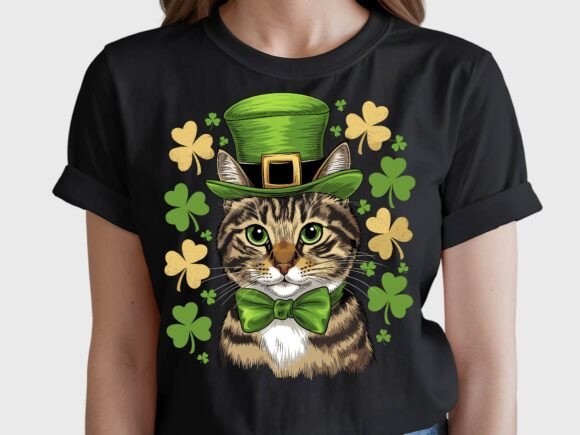
St Patrick’s Day Lucky Cat Clover Irish
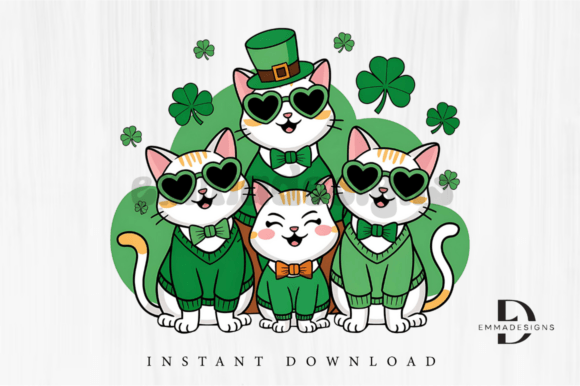
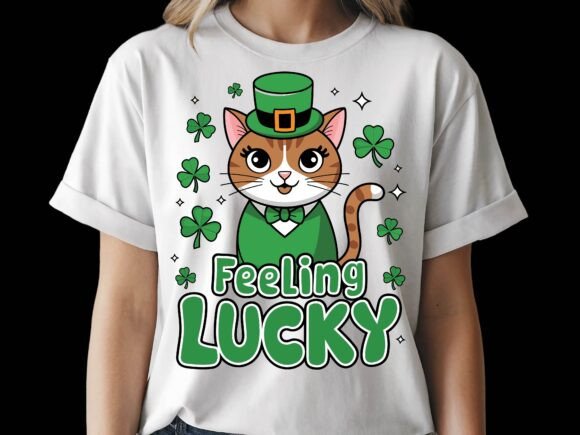
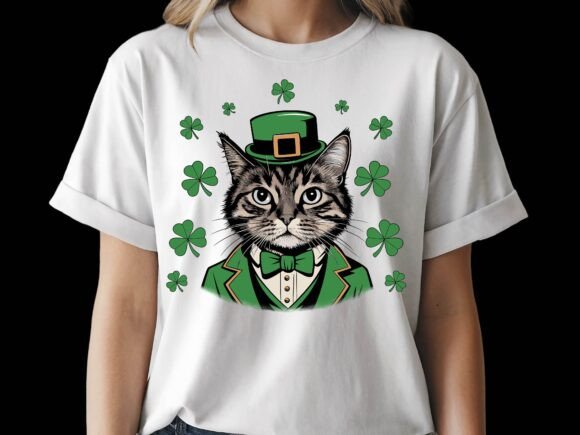
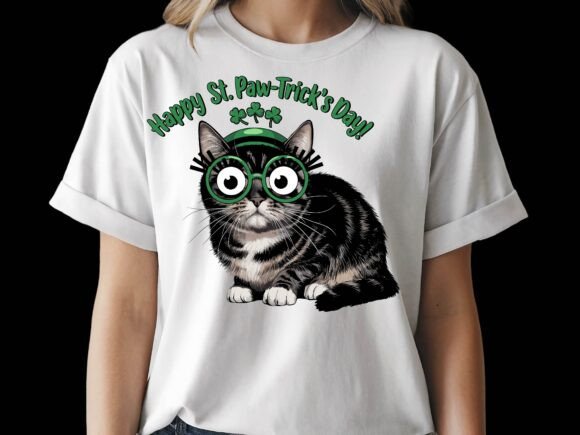
As someone who’s stitched hundreds of holiday designs—from delicate baby onesies to bold boutique sweatshirts—I opened St Patrick’s Day Lucky Cat Clover Irish expecting charm, but what stood out immediately was its quiet confidence. It doesn’t shout “green!” or overload with shamrocks. Instead, it balances a playful cat silhouette with subtle clover accents and soft Irish motifs—no clichés, no visual noise. That’s rare in seasonal T-Shirt Designs, especially ones meant for embroidery.
A Real-World Test: Embroidering This on a Linen-Cotton Apron
Last week, I prepped a small-batch run of embroidered kitchen aprons for a local café’s St. Patrick’s pop-up. I chose St Patrick’s Day Lucky Cat Clover Irish because it felt fresh—not too literal, not too abstract—and would translate well across ages and aesthetics. The design landed perfectly at 3.8 inches wide: large enough to read clearly on fabric, small enough to sit comfortably above a pocket without overwhelming the apron’s clean lines.
What surprised me? How gracefully it handled linen-cotton blend texture. The clover clusters used gentle fill stitch gradients—not dense satin blocks—so the fabric’s natural weave still showed through. The cat’s outline relied on crisp running stitch definition, which held up beautifully even when I reduced tension slightly to avoid puckering. No stabilizer drama. No re-hooping. Just steady, confident stitching.
Where This Design Truly Shines (and Where It Needs Thought)
St Patrick’s Day Lucky Cat Clover Irish is built for versatility—but not all surfaces are equal. Here’s where it performs best:
- Custom apparel: Works cleanly on crewneck sweatshirts and midweight tees. The moderate stitch density avoids stiffness, so the finished product feels wearable—not like a badge glued on.
- Embroidered patch: Clean outer edges and balanced negative space make it ideal for iron-on or sew-on patches. I tested one on a denim tote bag—no fraying, no distortion after two washes.
- Baby embroidery: Its rounded shapes and absence of tiny lettering or micro-details mean it’s safe for onesies and burp cloths—even on lightweight interlock cotton, with light tear-away stabilizer.
- Holiday embroidery for gifting: Customers respond to its warmth. It reads as handmade, thoughtful, and intentional—not mass-produced. I’ve seen Etsy sellers pair it with “Good Luck” tags and ship it as a personalized gift set.
But be mindful in these cases:
- Curved surfaces like caps: The design’s horizontal orientation and gentle width mean it’ll sit nicely on a front panel—but avoid placing it too high near the crown. Test hoop clearance first.
- Dark fabric: While the file includes SVG, EPS, PDF, and AI formats (great for digital prep), remember that embroidery thread contrast matters more than vector clarity. Always test your chosen thread colors against black or navy fabric before committing.
- Thin or stretchy fabric: Skip jersey or slinky knits unless you’re using cutaway + topping. The clover details need stable ground—otherwise, those little leaf tips can blur.
- Frequent-wash items: Not a problem for durability—but if you’re stitching tea towels or kitchen linens, double-check stitch density in the clover centers. Overly dense fills can stiffen over time.
Why It Builds Trust—Not Just Cuteness
Let’s be real: shoppers scroll fast. A design like St Patrick’s Day Lucky Cat Clover Irish earns attention because it feels *designed*, not assembled. There’s intention in the spacing between clover stems, rhythm in the cat’s ear curve, and restraint in how much detail is included. That translates directly to perceived value.
I’ve watched customers pause longer on products featuring this design—especially on Etsy listings and craft fair displays. Why? Because it signals care. It tells them: “This wasn’t auto-generated. Someone thought about how it would live on fabric.” That builds trust faster than any tagline.
For small shop owners and creative entrepreneurs, that quiet professionalism matters. It aligns with boutique branding. It supports premium pricing. And yes—it makes mockups look sharper, whether you’re building a printable mockup for social ads or prepping a digital embroidery file bundle for sale.
Practical Notes Every Embroidery Designer Should Run Through
Before stitching St Patrick’s Day Lucky Cat Clover Irish into your next project, here’s my checklist—refined from years of trial, error, and client feedback:
- Test on scrap fabric first, especially if using textured or dark material. See how thread colors interact—not just how they look on screen.
- Review stitch density in the clover centers and cat’s eye area. If your machine struggles with tight fills, consider simplifying one layer manually—or confirm the file allows easy editing.
- Confirm hoop size compatibility. This design fits comfortably in a 4x4 hoop, but verify before loading—some versions may include alternate sizes.
- Inspect small details at actual stitch scale. Zoom in on your embroidery software. Do the clover stems taper cleanly? Is the cat’s whisker line legible at 1.5mm height?
- Try black-and-white mockups. It reveals balance issues fast—if the design loses personality without color, it may need refinement for grayscale use (like monochrome branding).
- Use proper stabilizer: medium-weight cutaway for knits, tear-away for stable wovens, and always a light topping for napped fabrics like fleece.
- Check licensing. Since this is marketed as a Graphics download for printing on mugs, pillows, hoodies, and more, confirm whether commercial embroidery rights are included—especially if you plan to sell finished products or resell digital embroidery files.
Bottom line? St Patrick’s Day Lucky Cat Clover Irish isn’t just another holiday graphic. It’s a considered, stitch-ready asset—one that elevates handmade product presentation, supports thoughtful brand storytelling, and holds up under real-world use. Whether you’re embroidering a single personalized gift or launching a small shop collection, it earns its place in your design assets library—not because it’s trendy, but because it’s well-made.